Dhol in the Algorithm: How Punjabi Sound Is Quietly Rewriting the Rules of American Music
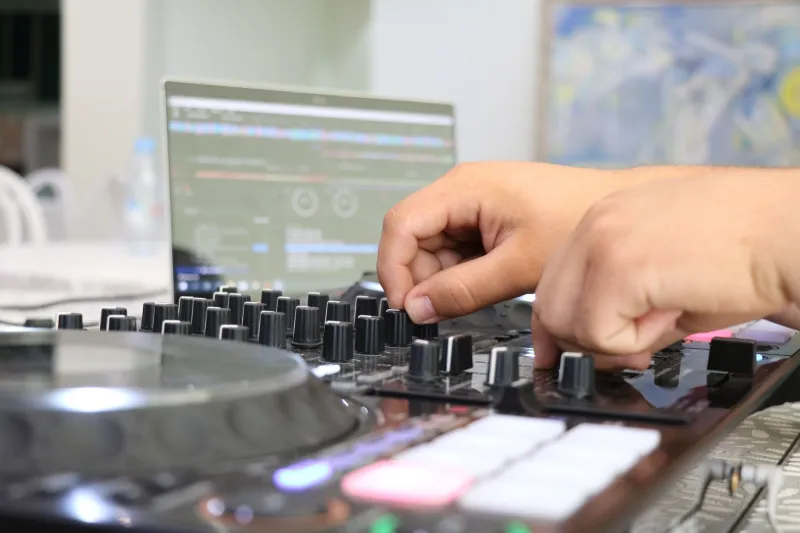
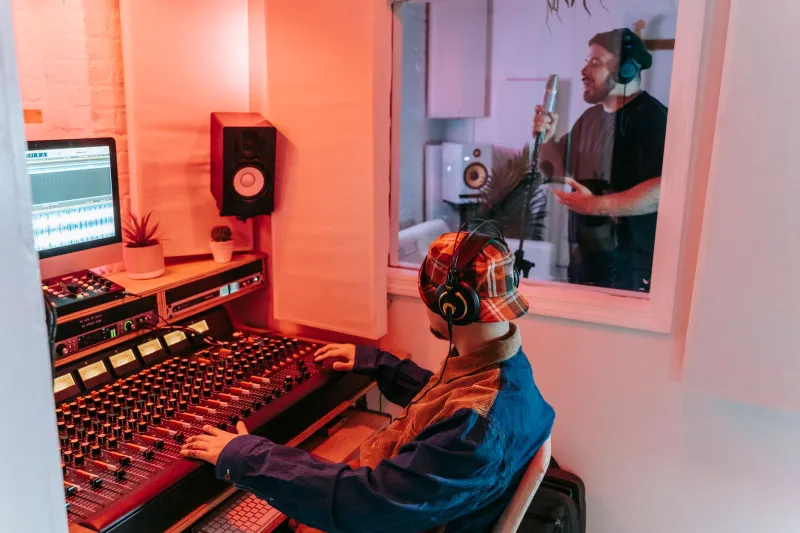
Somewhere between a viral TikTok dance and a late-night studio session in Atlanta, something shifted. The dhol — that double-headed barrel drum that's been rattling wedding mandaps and harvest festivals in Punjab for centuries — found a new home inside a trap beat. Nobody sent out a press release. The algorithm just... noticed.
If you've been paying attention to the sonic landscape of American music over the last few years, you've probably felt it without being able to name it. That punchy, syncopated rhythm underneath a rapper's verse. The minor-key melody that sounds vaguely familiar even if you've never heard a Bollywood song in your life. The unmistakable lift of a Punjabi hook cutting through an EDM drop. Punjabi music isn't just crossing over into American culture — it's getting absorbed into the walls of it.
The Sample That Started a Conversation
Let's be real: South Asian sounds in Western music aren't new. The Beatles went to India. M.I.A. built a career on blending Sri Lankan and South Asian textures with global club music. But what's happening right now feels different — more granular, more grassroots, and way more TikTok.
When Diljit Dosanjh performed at Coachella in 2024, it wasn't just a moment for Punjabi pride. It was a signal to every producer scrolling SoundCloud that this sound had mainstream real estate. Within weeks, producers who had never typed "Punjabi music" into a search bar were suddenly digging through dhol loops on sampling platforms. Some credited their sources. Many didn't.
That tension — between appreciation and extraction — sits at the heart of this whole conversation.
TikTok as the Great Equalizer (Sort Of)
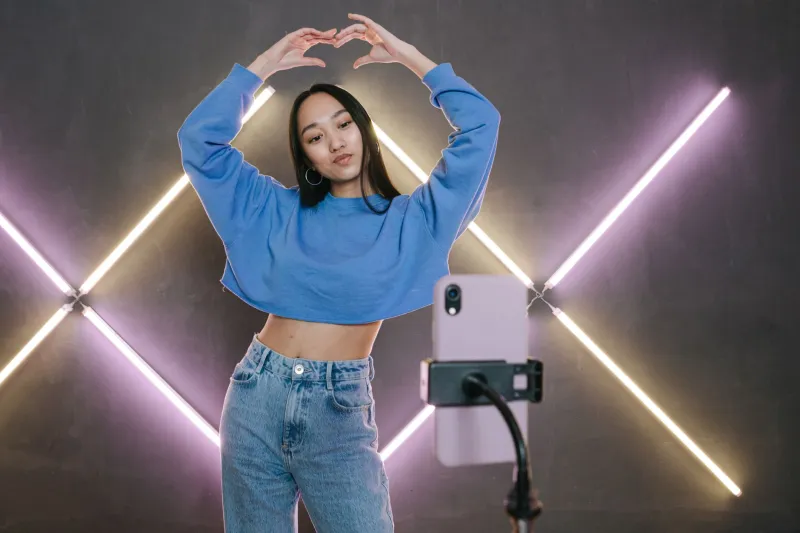
Here's where it gets interesting for creators like Shreya and the broader desi diaspora content space. TikTok doesn't care about genre gatekeeping. A 15-second clip of someone bhangra-ing to an AP Dhillon track can rack up 2 million views, get stitched by a Black creator in Houston, remixed by a white DJ in Portland, and end up as background music in a skincare ad — all in the span of a week.
This is both the magic and the mess of platform culture. Punjabi music gets exposure it never had before. But the further it travels from its source, the thinner the credit line gets.
Creators like @thesinghsquad, @browngirlproblems, and a wave of Punjabi-American influencers have been vocal about this. They're not just making content — they're actively annotating it, dropping context in captions, calling out the difference between a dhol beat and a "tribal drum" mislabel. That kind of cultural stewardship is unglamorous work, but it matters enormously.
When the Collab Actually Works
Not every crossover is a cautionary tale. Some of them are genuinely exciting.
Badshah's collaborations with Western artists showed that Punjabi pop could hold its own in a global production environment without sanding down its edges. Tesher's "Jalebi Baby" — which flipped a Punjabi folk sample into a dancehall-influenced banger — hit the Billboard charts and got remixed by Jason Derulo. Love it or hate it, that's a cultural moment.
Closer to the underground, producers like Yung Raj and a growing cohort of second-generation South Asian beatmakers in cities like Toronto, New York, and LA are building a sound that doesn't ask permission. They're layering tumbi plucks over drill rhythms, pitching Punjabi vocal chops into hyperpop tracks, and creating something that sounds like the future precisely because it doesn't fit neatly into any existing box.
For Shreya and creators documenting this space, these artists are the story. Not as curiosities, but as architects.
The Authenticity Debate Is Real — and Complicated
Spend five minutes in any Punjabi diaspora comment section and you'll find it: the authenticity police. And honestly? Some of their concerns are valid.
When a non-Punjabi artist samples a devotional shabad without context, that's not a collab — that's a lift. When a major label markets a "Bollywood-inspired" track without a single South Asian person in the room, that's a problem. The Punjabi community has watched its wedding music, its folk traditions, and its spiritual practices get repackaged as "exotic flavor" for decades. The skepticism is earned.
But the conversation gets more nuanced when it's Punjabi-American kids doing the remixing. A second-gen creator in Fresno who grew up listening to both Sidhu Moosewala and Kendrick Lamar isn't appropriating Punjabi music — they're synthesizing their actual lived experience. Their music sounds like what it feels like to exist between two worlds. That's not dilution. That's documentation.
The question of who gets to evolve a culture is always messier than it looks from the outside.
What the Numbers Actually Say
Spotify's internal data (shared in various music industry reports) has shown Punjabi-language tracks growing faster in US streaming than almost any other non-English language category. AP Dhillon's crossover success wasn't an accident — it was the visible tip of a much larger shift in listener behavior, driven largely by second and third-generation South Asian Americans who are finally seeing their taste reflected back at them by the algorithm.
That listener base is young, digitally fluent, and culturally confident in a way previous generations weren't always allowed to be. They're not hiding their playlists. They're sharing them. And when they share, their non-South Asian friends listen — and often, genuinely connect.
So What Does 'American Music' Sound Like Now?
Here's the thing about American music: it has always been a borrowing culture. Jazz, rock, hip-hop — each of these genres was built on the sounds of communities that weren't always centered in the mainstream. The pattern is familiar. What's different now is the speed, the visibility, and the fact that the communities being borrowed from have microphones, platforms, and audiences of their own.
Punjabi music isn't waiting to be discovered. It's already here, already in the mix, already shaping the sonic vocabulary of a generation of American listeners who might not know a single word of Punjabi but can feel the pull of a dhol break in their chest.
For Shreya Punjab, that's the whole point. Art doesn't stay inside borders — not when it's this alive. The conversation now is about making sure the people who built this sound get to be part of the story of where it goes next.
And that conversation? It's just getting started.