Mic Drop in a Mother Tongue: How Punjabi-American Comedians Turned the Green Room Into a Homecoming
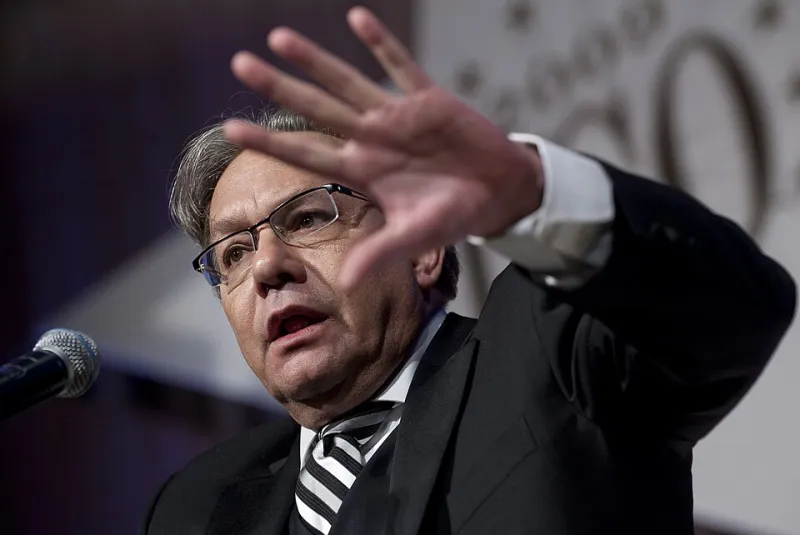
Photo: Chad J. McNeeley, U.S. Navy, Public domain, via Wikimedia Commons
There's a moment that happens at almost every comedy show in New York when a Punjabi-American comic takes the mic. Someone in the back — usually brown, usually grinning — yells something in Punjabi. The comedian fires back without missing a beat. And for the next hour, two audiences — the ones who grew up on chhole and the ones who grew up on Cheesecake Factory — laugh at exactly the same time.
That overlap didn't exist a decade ago. Now it's the whole business model.
The Circuit Nobody Planned
Ask around the LA and Austin comedy scenes and you'll hear the same names over and over — young comics who started out doing five-minute sets at open mics in front of six people and a bartender, and now headline rooms their parents still can't pronounce. The Comedy Cellar. The Echo. Cap City.
The material? Family. Always family. The father who negotiated with a car dealer like it was a land dispute in Jalandhar. The mother who communicates love exclusively through parathas and passive aggression. The auntie network that knows your GPA, your relationship status, and your cholesterol before you do.
What makes it work is specificity. These aren't generic "my immigrant parents" bits — they're Punjabi down to the vocabulary. When a comic drops a perfectly timed "puttar" into a bit about dating apps, the room splits into two groups: the ones who laugh because they get it, and the ones who laugh because they want to.
Roasting Without Burning Down the House
Here's the tightrope every one of these comics walks: how do you make fun of your culture without handing the room permission to do the same?
The best ones have an unspoken rule — the family is fair game, the community's pain is not. Jokes about wedding dancing that goes too hard? Endless material. Jokes that punch at the accent, at the turban, at the otherness? Off the table, and the audience knows it. It's self-roasting in the oldest comedic tradition: you get to make fun of the house you live in.
One comic put it to me this way: "My mom's going to be in that audience. Whatever I say about her, I have to be able to say to her face. And then eat dinner after."
That's the test. That's the line.
Viral Clips and the New Comedy Economy
The club circuit built these comics, but TikTok and Instagram made them inevitable. A sixty-second clip of a bit about a Punjabi father discovering Venmo requests can rack up more views in a weekend than a year of open mics would've earned. The algorithm doesn't care about your craft; it cares about the punchline landing in the first three seconds.
The smart ones treat it like a funnel. Clip goes viral, clip drives ticket sales, ticket sales fill the club, the club taping becomes the next special. No network, no gatekeeper, no waiting for someone's approval. Just a phone, a crowd, and a punchline that travels.
The Punchline Is the Point
What's quietly radical about all of this is what it means for the second generation. For decades, the Punjabi-American experience was something explained — defensively, apologetically, in essays and panel discussions. Now it's something performed, loudly, for mixed crowds who show up on purpose.
The parents, slowly, are coming around too. Comics tell me about mothers in the third row, arms crossed at first, laughing by minute ten, quoting bits back at family dinners by the end of the year. That's not just comedy. That's reconciliation with a two-drink minimum.
America is learning Punjabi family dynamics one sold-out show at a time. And the comics — the kids who once translated for their parents at government offices — are now translating the whole culture into something the entire country can laugh with, not at.
That's not a bit. That's a legacy.