No Gatekeepers, No Problem: How Punjabi-American Creators Are Building Digital Empires on Their Own Terms
For decades, if a South Asian artist wanted to "make it" in America, the playbook was pretty much written for them. Soften the accent. Drop the cultural references that might confuse a general audience. Wait for someone in a corner office to decide you were palatable enough for primetime. The gatekeepers were real, and they were picky.
That playbook? It's being shredded — one Reel, one YouTube video, one TikTok at a time.
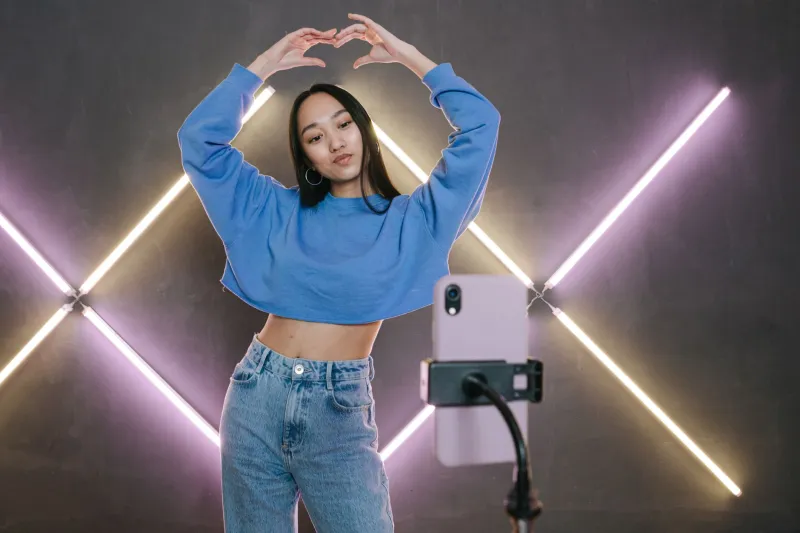
Across the US, a wave of second and third-generation Punjabi-Americans is doing something their parents were told was impossible: building massive, monetized audiences without asking anyone's permission. And the secret sauce isn't dilution. It's the opposite.
The Algorithm Doesn't Care About Your Accent
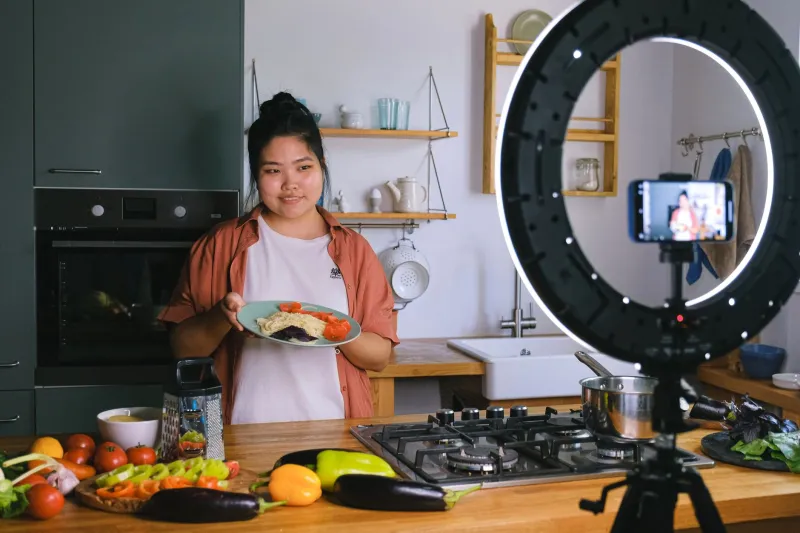
Take Simran Dhaliwal, a 24-year-old from Fresno, California, who started posting cooking videos during the pandemic — not polished Food Network stuff, but chaotic, funny clips of her attempting her Nani's recipes while her mom yelled corrections from the other room. She kept the Punjabi phrases in. She kept the mess. She kept the arguments.
Within eighteen months, she had crossed 400,000 followers on TikTok and was fielding brand partnership inquiries from spice companies, kitchenware brands, and — somewhat surreally — a major US meal kit service.
"I never thought I'd be a 'content creator,'" she told me over a call, laughing. "I was just making videos because I was bored and homesick for my Nani's kitchen. The fact that people outside my community even cared was genuinely shocking to me."
But they did care. Because authenticity, it turns out, travels.
Refusing to Shrink
What makes this moment different from previous attempts by South Asian artists to crack American media isn't just the technology — it's the posture. These creators aren't positioning their Punjabi identity as a quirky side note. It's front and center, load-bearing, non-negotiable.
Jaspal Singh, a 27-year-old comedian and YouTuber based in New Jersey, built his channel almost entirely around the specific absurdities of growing up Punjabi in suburban America. His videos about navigating desi aunties at family functions, the unspoken rules of the langar line, and the particular chaos of a Punjabi wedding have racked up millions of views — and he's never once pretended those experiences are universal.
"People kept telling me early on to make my content 'more relatable,'" he said. "What they meant was: make it less Punjabi. And I just didn't want to do that. I figured if it's real, someone will feel it. Turns out, a lot of someones did."
His YouTube channel now generates a comfortable six-figure income annually between ad revenue, brand deals, and merchandise. He recently turned down a development deal with a mid-size production company because, as he put it, "they wanted to own the thing that makes me, me."
The Economics of Cultural Specificity
There's a business argument here that's worth taking seriously. Niche audiences, especially ones that are underserved and deeply loyal, tend to convert better than broad but disengaged ones. Punjabi-Americans — and the global Punjabi diaspora watching from Canada, the UK, and Australia — represent a community with significant spending power and an almost fierce desire to see themselves reflected authentically.
Brands are starting to figure this out. Creators who once struggled to land partnerships are now being approached by everyone from automotive companies to financial services firms who want access to a demographic that mainstream influencer marketing has largely ignored.
Priya Bains, a digital strategist who works with several South Asian creators, explains it this way: "The diaspora audience is incredibly engaged. They share content within their communities, they're vocal, they're loyal. When a brand gets the endorsement of a trusted Punjabi creator, that carries real weight. It's not just impressions — it's actual cultural credibility."
What's Being Built Is Bigger Than Content
But talk to these creators long enough and you realize the revenue, while welcome, isn't really the point. What they're building is something closer to infrastructure — a new layer of cultural documentation and storytelling that simply didn't exist before.
For generations, Punjabi stories in America were filtered through outsider lenses, when they were told at all. The community showed up as background color in someone else's narrative, rarely as the protagonist of their own. Short-form video has flipped that entirely.
"My grandparents came here in the '70s and there's basically no record of what that was like for them — not in any media I can find," said Amandeep Kaur, a 22-year-old creator from the Bay Area whose videos blend Punjabi folk traditions with commentary on modern diaspora life. "I'm making the stuff I wish existed when I was growing up trying to figure out who I was. If my kids or grandkids want to know what it felt like to be Punjabi-American in 2024, they're going to have something to watch."
That archival instinct — the sense that these videos are doing more than entertaining — comes up again and again in conversations with Punjabi creators. There's a weight to it that sits alongside the jokes and the dance challenges and the cooking disasters.
The Tension That Keeps It Honest
None of this is without friction. Some creators wrestle with questions about commodification — about whether turning culture into content inevitably flattens it. Others navigate family members who are uncomfortable with certain stories being shared publicly, especially when those stories touch on partition trauma, caste, or the harder edges of diaspora life.
And the platforms themselves are imperfect vessels. Algorithm changes can tank a channel overnight. TikTok's uncertain regulatory future in the US looms large for creators who've built their primary audience there.
But the broader shift feels irreversible. The generation of Punjabi-Americans now coming of age has grown up watching people who look like them, sound like them, and reference the same cultural touchstones build real careers from their living rooms. The permission they're not waiting for? They've stopped waiting for it so long ago that the waiting itself feels like ancient history.
The New Punjabi Story
Shreya Punjab has always believed that the richest stories come from the people living them — not the people packaging them for someone else's consumption. What's happening right now in Punjabi-American digital spaces is exactly that: a community seizing the means of its own storytelling.
No network. No label. No development deal required.
Just a phone, a perspective, and the confidence to know that your culture — in its full, specific, complicated, beautiful reality — is more than enough.