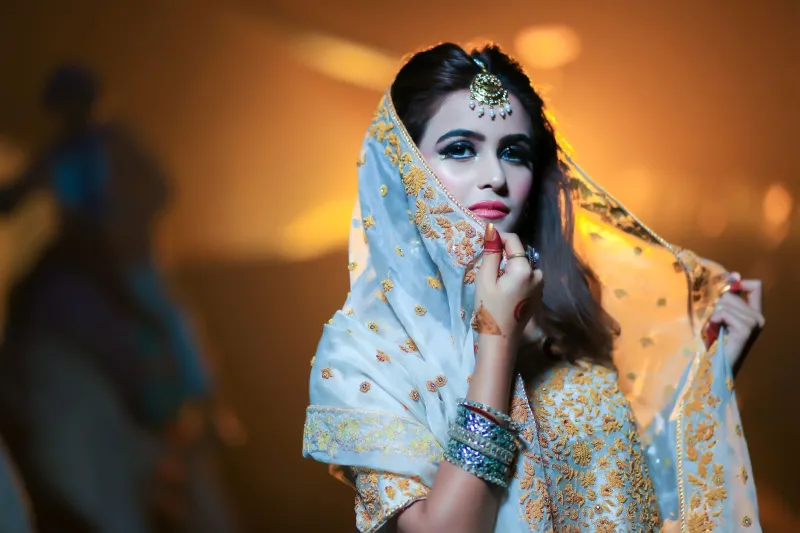
From Shame to Statement: How Punjabi-American Youth Are Turning Head Coverings Into Their Loudest Fashion Flex
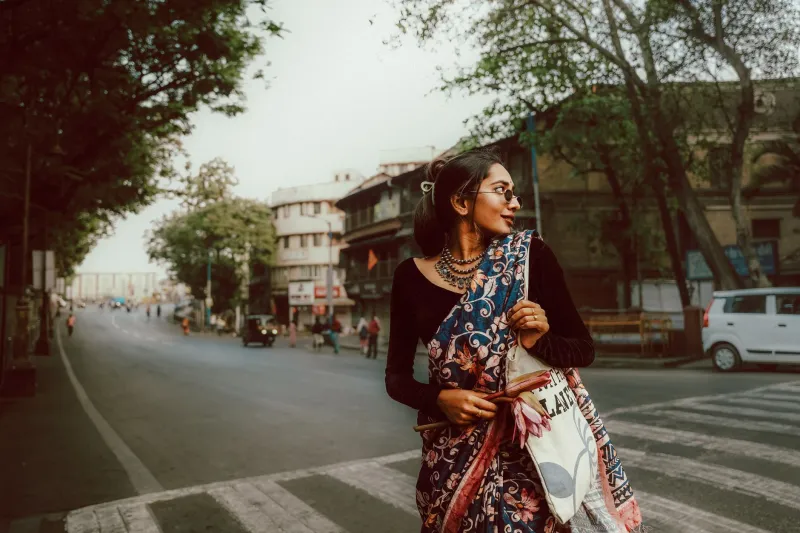
There's a photo that's been circulating on Punjabi-American Instagram pages lately. A young woman, maybe 22, stands in front of a Los Angeles mural in a crisp white kurta. Her chunni — deep saffron, edged with gold threadwork — is draped not over her shoulders the way her grandmother might have worn it, but wrapped dramatically around her head, one loose end cascading down her back like a runway editorial. The comments are flooded with fire emojis. Her aunties, presumably, have opinions.
This is the moment we're living in. And honestly? It's been a long time coming.
The Weight That Used to Come With the Cloth
Ask any Punjabi-American who grew up in the US in the '90s or early 2000s and they'll tell you the same thing: the turban, the dupatta, the chunni — these weren't just fabric. They were targets. Kids got teased. Adults got profiled, especially after 9/11, when Sikh men wearing dastaars became victims of hate crimes rooted in pure ignorance. Parents, already navigating the exhausting math of immigrant survival, quietly encouraged their children to blend in. Don't make yourself a target. Don't stand out. Dress like everyone else.
That survival instinct was real and it was rational. But it also carved something out of a generation — a hollow space where cultural pride should have lived.
Now their younger siblings and cousins are filling it back in. Loudly.
TikTok Didn't Start This, But It Lit the Match
Creators like @kaur.aesthetics and a growing wave of Punjabi-American content makers have been using short-form video to show what head coverings actually look like when worn with intention and joy — not obligation or fear. A turban styled with a vintage denim jacket. A dupatta pinned like a headscarf over box braids. A chunni knotted at the crown, paired with chunky sneakers and wide-leg trousers.
These aren't costumes. They're outfits. And the distinction matters enormously.
When you see someone wearing their culture like they own it — because they do — it reframes the whole conversation. It stops being about assimilation versus tradition and starts being about personal style. That shift in framing is doing more cultural work than a hundred op-eds ever could.
Runway Moments That Actually Hit Different
High fashion has been flirting with South Asian aesthetics for decades, usually in ways that felt extractive at best. But something shifted when designers of actual Punjabi and South Asian descent started getting real platforms. Harri Singh's work in the UK, the rise of South Asian stylists dressing mainstream American celebrities, the slow but real increase in Punjabi faces in campaigns for brands like Nordstrom and Anthropologie — these moments are adding up.
More importantly, independent Punjabi-American designers are building their own lanes. Small labels out of cities like Fresno, Brampton (yes, Canadians count), and Jersey City are creating pieces that fuse traditional silhouettes with streetwear sensibility. The turban isn't a prop in these collections. It's the point.
And when these looks hit runways or even just pop up in lookbooks shared on Pinterest and Instagram, they give Punjabi-American kids something they rarely had growing up: a reference point that looks like them and doesn't ask them to choose.
What the Older Generation Actually Thinks (It's Complicated)
Here's where it gets nuanced. Not everyone in the Punjabi-American community is celebrating this shift equally. For many Sikh families, the dastar is a sacred article of faith — one of the Five Ks — and watching it be aestheticized or styled as a fashion accessory by people who don't wear it as a religious practice stirs real discomfort. That's a legitimate conversation worth having.
But even within those families, something interesting is happening. Parents who once urged their kids to take off the turban before heading to the mall are now quietly proud watching their children reclaim it on their own terms. There's a difference between being told to wear something and choosing to wear it — and that choice carries a kind of defiance that many immigrant parents, who made their own compromises to survive, deeply respect even when they don't fully understand the aesthetic.
Grandmothers who draped dupattas out of tradition are watching granddaughters drape them out of declaration. The cloth is the same. The power behind it has multiplied.
Style as Survival, Not Just Aesthetics
Let's be clear about something: this isn't just a vibe. In a political climate where South Asian and Sikh Americans continue to face discrimination and hate — where turbans still get people pulled aside in airports, where brown skin still reads as threatening to certain people in certain places — choosing to wear your identity visibly is an act of courage.
Fashion has always been political. What you put on your body is a statement about who you are and who you refuse to stop being. For Punjabi-American youth, draping a chunni or tying a turban isn't just about looking good (though they absolutely do). It's about refusing the deal their parents were handed — the one that said shrink yourself and we'll let you stay.
They're not shrinking. They're showing up in saffron and silk and saying: we were always here.
Where This Goes Next
The momentum is real. Punjabi-American fashion influencers are landing brand deals. Desi stylists are getting hired for mainstream editorial shoots. High school kids in California and Texas and New York are wearing their cultural garments to prom, to graduation, to homecoming — and getting standing ovations for it instead of side-eyes.
It's not perfect. Representation in American fashion still has miles to go. Colorism within South Asian communities affects whose aesthetics get celebrated and whose get ignored. And the line between appreciation and appropriation still needs tending.
But something has genuinely cracked open. The generation that grew up being told their culture was too much is now the generation making their culture unmissable. The turban isn't being hidden anymore. It's being worn — with pride, with style, and with the kind of energy that makes you stop scrolling.
And if that makes some people uncomfortable? Good. That's kind of the whole point.