Rhythm as Medicine: How Bhangra and Kirtan Are Quietly Becoming America's Most Soulful Mental Health Tools
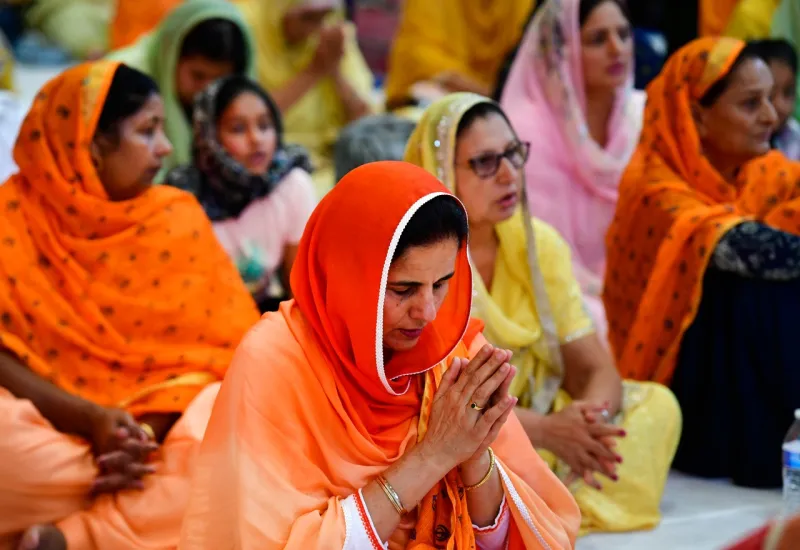
Photo: Punjabi woman singing kirtan in community circle meditation healing, via www.denverpost.com
There's a moment in a good bhangra session — maybe thirty seconds in, maybe two minutes — where something shifts. Your shoulders drop. Your jaw unclenches. Whatever you were carrying when you walked through the door starts to feel, just slightly, lighter. For a growing number of Punjabi-Americans navigating anxiety, intergenerational trauma, and the particular exhaustion of living between two cultures, that moment isn't just fun. It's therapeutic. And increasingly, mental health professionals are paying attention.
Across the US, a quiet but powerful movement is taking shape. Therapists, wellness coaches, and community organizers with roots in Punjab are weaving bhangra, kirtan, and traditional folk music into their healing practices — and the results are turning heads in both clinical and creative spaces.
When Western Wellness Doesn't Quite Fit
For many South Asian Americans, the path to mental health care has always been complicated. There's the stigma piece — the cultural pressure to keep struggles private, to not air family matters outside the home. But there's also something more subtle: a sense that mainstream American therapy, with its particular vocabulary and frameworks, doesn't always speak to the full complexity of a diasporic life.
"I spent years in traditional talk therapy and it helped, but something felt missing," says Priya, a 34-year-old Punjabi-American based in the Bay Area who now participates in a kirtan-centered healing circle. "It wasn't until I started sitting with the shabads my grandmother used to sing that I felt like I was actually touching the wound."
That gap — between clinically effective and culturally resonant — is exactly what practitioners like Dr. Amrita Sandhu are trying to close. A licensed therapist working in Chicago with a largely South Asian clientele, Sandhu has spent the last several years integrating sound and movement practices from her own Punjabi background into her therapeutic work.
"Music is pre-verbal," she explains. "It accesses parts of the nervous system that language simply can't reach as quickly. And when that music carries your own cultural DNA — the rhythms you heard at weddings, the prayers your family sang — it creates a kind of safety that generic mindfulness apps just can't replicate."
The Science Behind the Dhol
It's not just anecdote. Research into music therapy has been building for decades, and the data is compelling. Rhythmic entrainment — the way our bodies naturally synchronize to an external beat — has been shown to reduce cortisol levels, regulate heart rate, and activate the parasympathetic nervous system. In other words, a driving dhol beat isn't just exciting. It's physiologically calming your stress response.
Kirtan, the call-and-response devotional singing rooted in Sikh and Hindu traditions, adds another layer. The repetitive, meditative quality of chanting — often combined with slow, deep breathing — mirrors the effects of structured breathwork and mindfulness meditation. Studies on chanting practices more broadly have linked them to reduced symptoms of anxiety and depression, improved focus, and even lower blood pressure.
"What's interesting about kirtan specifically is that it combines breath regulation, vocal vibration, and community — all in one practice," says Mandeep, a yoga and wellness instructor in Los Angeles who hosts monthly kirtan evenings that have grown from a handful of friends to over sixty regular attendees. "You're not just sitting alone with your thoughts. You're held by other people's voices."
Bhangra as Body-Based Healing
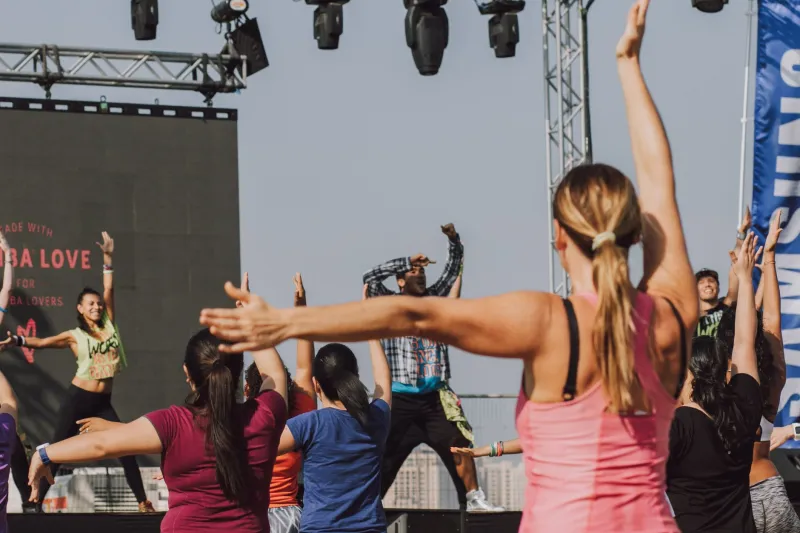
If kirtan works gently, bhangra works with full-body force. The high-energy folk dance form — originally tied to harvest celebrations in Punjab — is increasingly being framed not just as performance or fitness, but as somatic therapy.
Somatic approaches to mental health work with the body as a site of stored trauma. The idea, backed by practitioners like Dr. Bessel van der Kolk, is that trauma lives in the body, not just the mind, and that physical movement is often necessary to release it. Bhangra, with its emphatic arm movements, jumping, and full-body engagement, fits that framework remarkably well.
"I've had clients who couldn't talk about their trauma for months, but after a few bhangra sessions, things started to surface," says Simran, a somatic therapist and bhangra instructor who runs workshops in New Jersey. "The movement creates a container. It gives the body permission to feel something it's been holding."
Participants in her workshops describe a range of experiences — from pure joy and catharsis to unexpected tears, to a deep sense of ancestral connection. Several have told her they feel, for the first time, genuinely proud of where they come from.
Community as the Real Prescription
Maybe the most underrated element of this movement is the communal one. Mental health in America is often treated as a deeply individual project — your diagnosis, your treatment plan, your healing journey. But Punjabi culture has always understood wellness as something that happens in relationship.
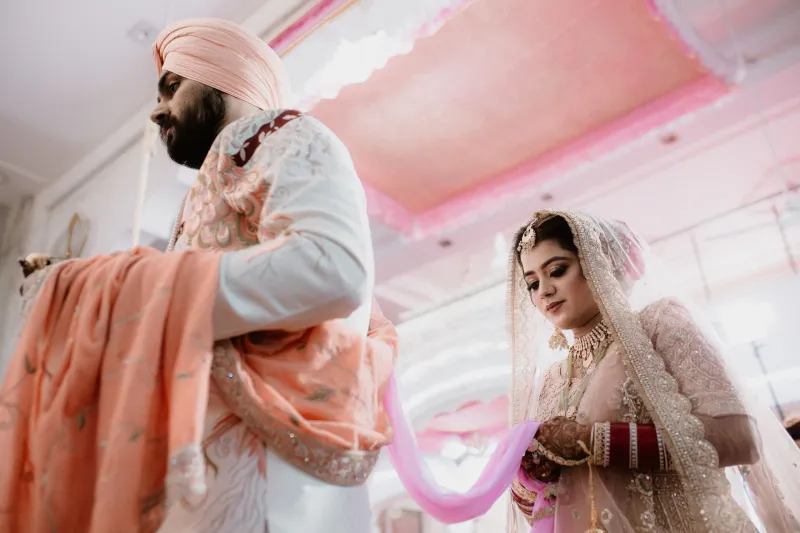
The langar hall. The wedding dance floor. The gurdwara kirtan. These are spaces where people gather, move together, and hold each other without needing to name what they're going through.
"There's a reason our elders didn't have the same rates of isolation that we see in younger generations," says Harjit, a community organizer in Fresno who started a weekly folk music and movement circle after losing a friend to suicide. "They were always together. Always singing. That wasn't incidental to their wellbeing — it was the wellbeing."
His circle, which he calls a "chai and shabad" gathering, draws a mix of ages and backgrounds. Some attendees are Punjabi. Many aren't. All of them, he says, leave looking lighter.
Finding Your Own Beat
You don't need a therapist's office or a formal program to start exploring this for yourself. Many gurdwaras across the US host open kirtan evenings that welcome newcomers. Bhangra fitness classes are popping up in cities from Atlanta to Seattle, often taught by instructors who bring cultural context alongside the cardio. And online, a growing number of Punjabi-American creators are building communities around sound healing, folk music, and ancestral wellness practices.
The through-line in all of it is something Shreya has always believed: that culture isn't just heritage to be preserved. It's a living resource. A toolkit. A way of coming back to yourself when the noise of modern life gets too loud.
So the next time someone tells you to try meditation or download a wellness app, maybe consider a different kind of prescription — one that starts with a beat, builds into a collective roar, and ends with you remembering exactly who you are.