Static, Silk, and Streaming: Three Generations of Punjabi Women Who Refused to Be Quiet

Photo by Photo by Joel Timothy on Unsplash on Unsplash
My grandmother was seventeen the first time she sang on All India Radio. She tells the story the same way every time — how the studio was cold, how her dupatta was pinned just so, how her father waited outside because a good family did not let its daughters linger in public spaces. Her voice traveled across Punjab that evening. Her body, carefully, did not.
I think about that a lot when I'm framing my face in a ring light.
The Voice That Had to Behave
My grandmother's generation had one rule: be exceptional, but be modest about it. She could sing — beautifully, in a way that made elder women reach for their handkerchiefs — but the singing had to be wrapped in respectability. Classical enough to be serious. Devotional enough to be safe. Never too loud, never too much, never the kind of performance that invited the wrong kind of attention.
She was allowed to be heard as long as she wasn't seen.
My Mother's Middle Chapter
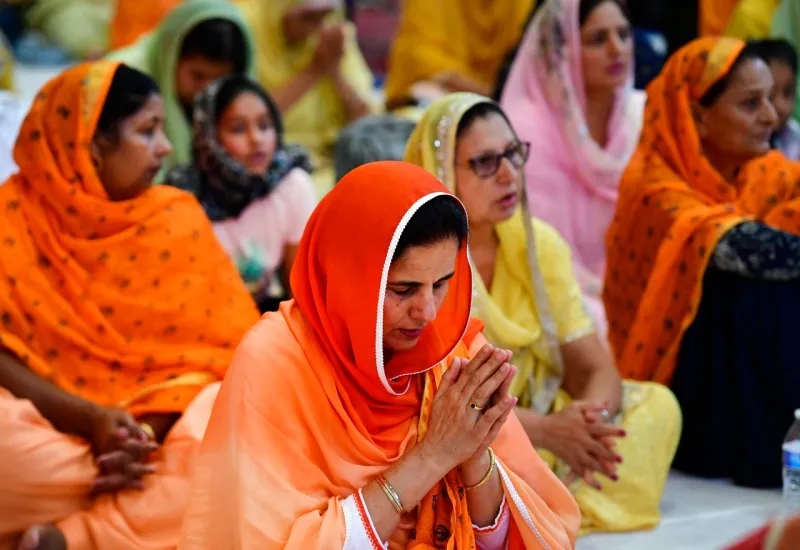
My mother came of age in the era of the community function — the melas, the cultural programs, the stage at the gurdwara hall in Brampton where the whole diaspora gathered. She performed, but always in the sanctioned spaces. Family events. Fundraisers. Places where her talent was appreciated and simultaneously contained, where the applause came bundled with commentary about her blouse and her marriage prospects.
She was allowed to be seen as long as she stayed in her lane.
And Then There's Me
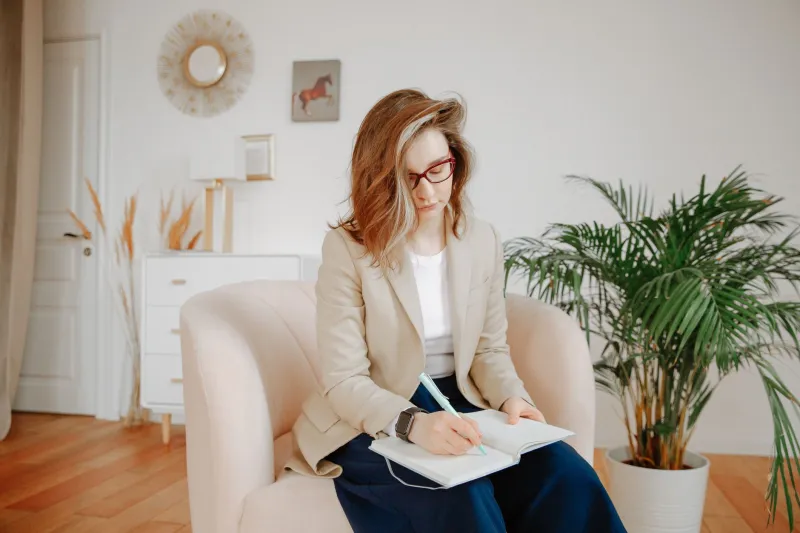
And me? I go live on Instagram, and 4,000 strangers watch me sing in my living room. Nobody pinned my dupatta. Nobody's father waited outside. By every measurable standard, I am free.
But here's what I've noticed, three generations in: the pressure didn't disappear. It got an algorithm.
The radio executive who wanted my grandmother respectable? He's a recommendation engine now. The aunties who critiqued my mother's stage presence? They're in my comments, along with 400 people I've never met. The demand to be palatable — to be impressive but not arrogant, beautiful but not vain, cultural but not too cultural, modern but still rooted — didn't die with the old gatekeepers. It got democratized. Now everyone gets to have an opinion, instantly, in writing, forever.
I've caught myself doing the same calculations my grandmother did in that cold studio. Which song is safe? Which angle is flattering without being showy? How much of myself do I give, and how much do I keep? The medium changed; the math is identical.
What I'm Keeping, What I'm Refusing
Here's what I refuse to do: pretend this is only a complaint. My grandmother gave me more than a cautionary tale. She gave me proof that a Punjabi woman could take up sonic space in a world that preferred her silent, and that the taking could be an act of love — for the music, for the language, for the women coming after.
So I've stopped trying to be fully palatable. I sing the folk songs my grandmother taught me and the ones I've written about panic attacks and dating apps. I wear jhumkas with sneakers. I talk back to the comments. Some posts flop. Some go weirdly viral. The algorithm and I have an uneasy truce.
The wellness industry loves to sell us "finding your voice" like it's a weekend retreat. In my family, finding your voice has been a three-generation project — each woman a little louder, a little more visible, a little less pinned in place.
My grandmother's radio was a rebellion she never got to name. My mother's stage was a compromise she made peace with. My livestream is mine — imperfect, unmonetized some weeks, unpalatable on purpose.
I like to think she hears it. I like to think she'd approve of the volume.